
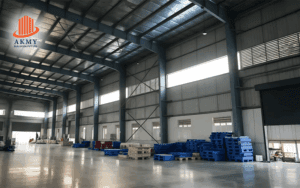
When nature shows its might — the trembling of the earth, the howling winds, or the rising floodwaters — even the strongest structures are put to the ultimate test. For decades, concrete and brick were seen as the only reliable materials to endure these challenges. But today, pre-engineered buildings (PEBs) have rewritten the rules of durability and resilience. Many still ask: Can these steel giants truly withstand earthquakes, cyclones, and floods? Let’s uncover the truth.
Built to Endure, Not Just to Impress
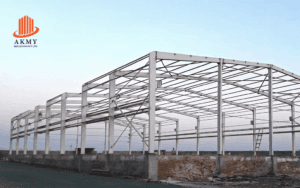
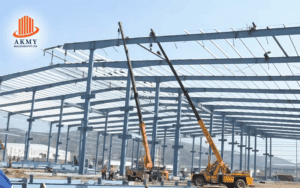
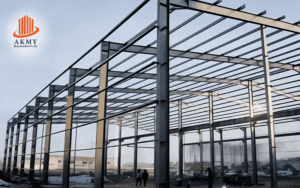
Pre-engineered buildings are not just about modern aesthetics or cost efficiency — they are about strength by design. Every beam, column, and joint in a PEB is calculated with precision, considering local seismic, wind, and load conditions. This makes PEBs not only energy-efficient but also structurally reliable in extreme weather situations. As a leading pre engineered building manufacturer in India, companies like AKMY Buildcon ensure that their structures meet international standards. The components are fabricated under strict quality control, ensuring uniform strength and resistance — something that’s often missing in traditional brick-and-mortar constructions.
The Flexibility Advantage
One of the biggest myths about steel structures is that they are too rigid. In reality, flexibility is their greatest strength. During an earthquake, buildings experience lateral movements — and it’s the flexible ones that survive. PEBs are designed with steel frames that can bend slightly without breaking, allowing them to absorb and dissipate seismic energy. Traditional concrete structures, on the other hand, often crack under similar stress. Engineers also use bolted connections in PEBs, which provide ductility — meaning they can sway with tremors rather than collapse. So, if your facility is in a seismic zone, investing in a structure from a reliable pre engineered building supplier in India could make all the difference between repairable damage and total structural failure.
Designed to Resist High Wind Loads
Cyclones and hurricanes are becoming more frequent with climate change, bringing winds exceeding 150 km/h. Steel PEBs have a natural advantage here — they are lightweight yet incredibly strong. Their aerodynamic designs reduce wind drag, and their roofing systems are engineered to prevent uplift. Reinforced joints and tight fasteners further ensure that panels don’t get displaced during storms. Reputable pre engineered building manufacturers in India customize their PEB designs according to regional wind speeds, ensuring that structures in coastal areas like Gujarat, Odisha, or Tamil Nadu can resist even the fiercest cyclones. Additionally, advanced coating technologies prevent corrosion, even in salty and humid conditions, making PEBs ideal for long-term use in coastal regions.
Steel Structures That Stand Above Water
Floods can cause immense structural and financial damage — but PEBs are strategically designed to mitigate these risks. Since most PEB structures use elevated foundations and galvanized steel frames, they don’t absorb water like concrete. This makes them highly resistant to structural weakening caused by prolonged water exposure. Moreover, the use of steel building solutions in India allows for quicker construction and easy disassembly if relocation is ever needed — an advantage that traditional buildings can’t offer. Even after flooding, steel frames can be cleaned, inspected, and reused with minimal damage, saving both time and resources.
Sustainability and Safety Hand in Hand
Durability isn’t the only hallmark of pre-engineered buildings. They are also eco-friendly and sustainable. Steel, the backbone of every PEB, is 100% recyclable. This means less waste and more efficient use of resources — a crucial factor as industries and governments push toward greener infrastructure. Additionally, PEBs have better thermal performance and ventilation options, which not only enhance comfort but also reduce energy costs. Many modern projects across India — from industrial warehouses to educational institutions — are now adopting steel building solutions in India for their combination of strength, speed, and sustainability.
Pre-Engineered Steel Buildings Are The Future of Disaster-Resilient Infrastructure
The world is learning to coexist with unpredictable climate patterns. Businesses and builders need structures that are not just affordable but also capable of protecting lives and assets. Pre-engineered buildings have proven their mettle across diverse terrains and conditions — from earthquake-prone zones to flood-prone plains. So, can PEBs survive earthquakes, cyclones, and floods? Absolutely — and they often recover faster than conventional buildings.If you’re planning your next industrial or commercial project, choose a partner who understands both strength and sustainability. AKMY Buildcon, a trusted pre engineered building manufacturer in India, specializes in advanced steel building solutions that are engineered to endure and designed to impress. Whether you’re setting up a factory, warehouse, or logistics center, AKMY Buildcon delivers reliability, speed, and safety in every structure.